Audio Engineer · Industry Professional · Multi-Instrumentalist
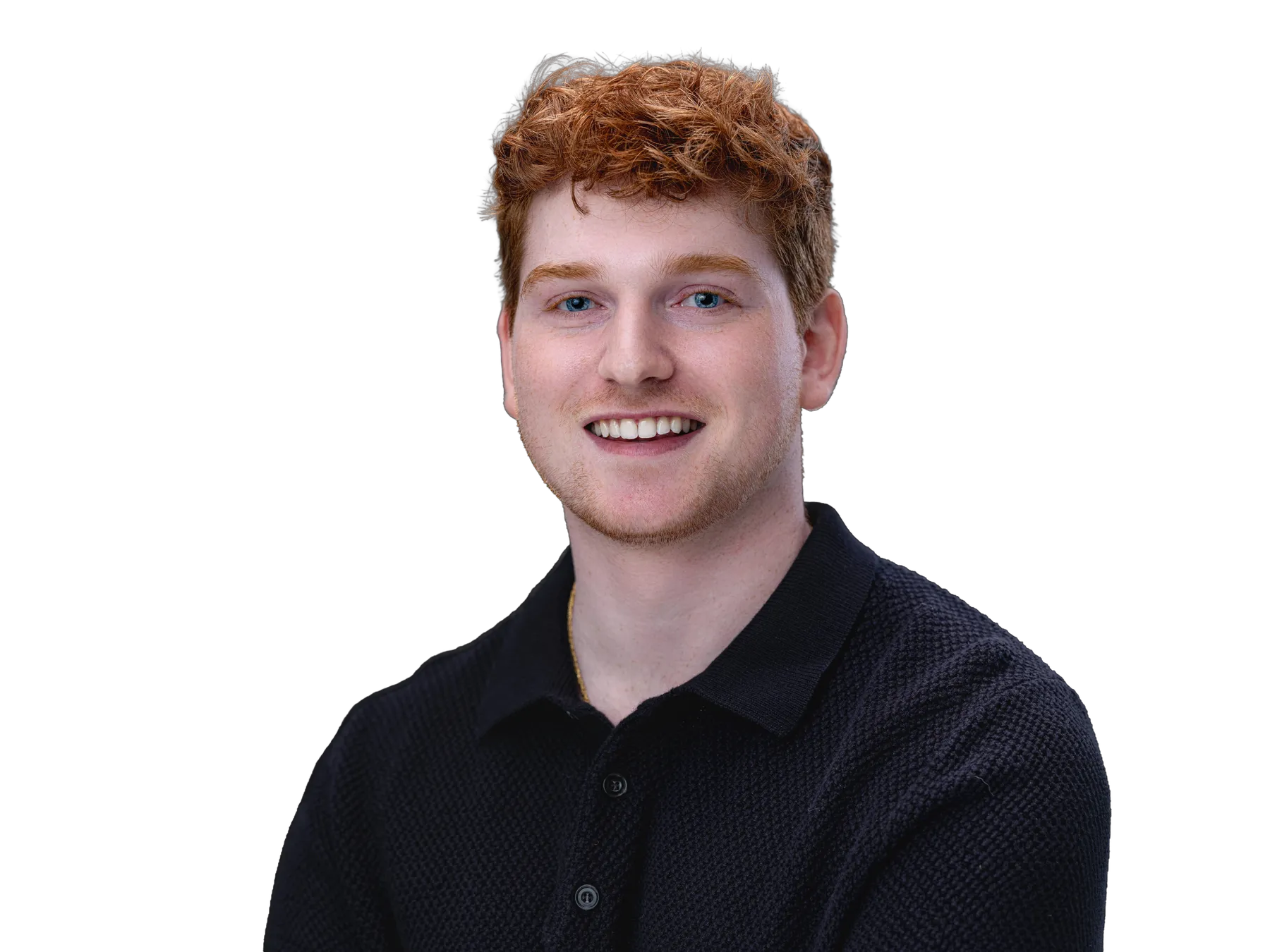
Sam Blumberg
Building the tools used by trusted artists and engineers — across publishing, live events, and post-production.
Now
Right now I'm a Performing Arts Technology student at the University of Michigan, minoring in business. I split my time between drumming gigs, production work, and building new stuff.
Background
I’ve spent over a decade living at the intersection of sound, technology, and execution. As a multi-instrumentalist and music tech major, my foundation is built on the need for creative expression. For me, a studio session or a live performance is a complex system of moving parts that requires precision and sharp intuition. I’m a builder at heart, naturally curious about how things work under the hood and driven by the challenge of turning a raw, creative spark into a polished, functional reality.
But a great idea is only as good as its execution. Recognizing that the creative world requires structural grit, I’ve paired my production background with a formal business education to bridge the gap between artistic ambition and operational viability. I specialize in looking at creative projects through an analytical lens, managing logistics, scaling ideas, and building the infrastructure needed to bring concepts to market. From the studio to the boardroom, I look at every project as a puzzle, knowing the pieces will fit together while figuring out how.
Philosophy
I've committed to a career in music, but what drives me isn't the pursuit of a spotlight. It's curiosity. I'm less interested in chasing someone else's vision than in building the architecture around the art: the systems, the workflows, the infrastructure of an industry I happen to love. That's not a compromise; it's a clear read on where I'm most useful. I want to build things that move music forward as a culture, not just as a product.
The economics of art shaped that view. Art gains value as it gets scarcer and loses value as it gets easier to access, and streaming did to music what abundance always does: it turned something we used to pay for into something we barely notice. Complaining about that changes nothing. What works is finding what can't be supplied at scale: your specific circumstances, your network, the systems only you know how to build. Every musician is already running a small business whether they admit it or not, and the ones who last are the ones who start acquiring assets instead of waiting to be discovered. The goal was never to make something good enough that people would pay for it. It's to make something people can't live without, because it gives them more joy per minute than the alternatives. Do that, and the money follows the joy instead of the other way around.
.jpg)
So I keep the passion and the business deliberately separate. A business built purely on what you love will hollow it out. Dependence kills desire. Instead, I work at the intersection of what I'm good at and what I'm curious about, and I capture enough of the value I create there to protect the part of me that just wants to play.
About
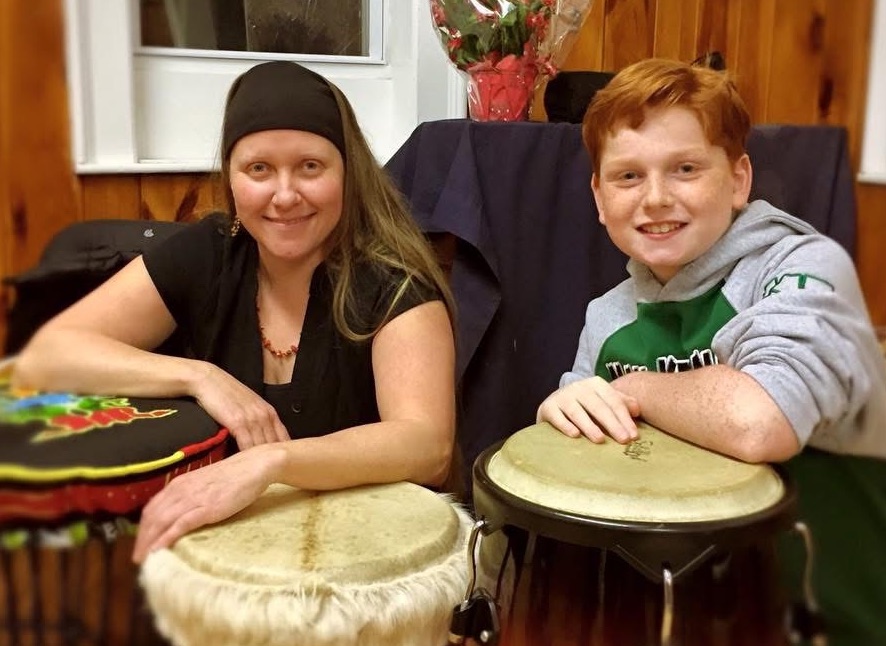
I grew up in a small town in Western Massachusetts, and music found me at a relatively early age. West African drumming at seven, then the drum set, piano, and theory not long after. By thirteen I was writing orchestral and big-band scores in notation software; by fifteen I’d picked up a DAW, moving from composing music to engineering it. That shift mattered. I stopped wanting to just make the sound and started wanting to understand what made it work.
That curiosity took me to Berklee College of Music’s summer Aspire program for three consecutive years, where I got certified in mixing and spent my time chasing the perfect mix. During my second summer there, I organized a 24-song live album recorded start to finish in a single day: 24 ensembles, over 60 musicians, fourteen hours in a basement studio running on Red Bull and a granola bar. We turned it into a fundraiser for music scholarships. It’s still one of the projects I’m proudest of, not because it was polished, but because it was mine to build from nothing, and because it forced me to learn how to actually run a room full of people toward a deadline.
Those three summers also gave me something less tangible but just as valuable: a network. Some of the most talented young musicians I know, I met standing next to them in a practice room, and a lot of them are still the first people I call when a project needs a specific set of hands. That instinct — to keep building relationships with people who are serious about their craft — has stuck with me ever since.
Experiences
I chose the University of Michigan over a smaller conservatory or liberal arts school on purpose. I wanted a Music Technology degree paired with a business minor, but I also wanted to be at a massive research university where music students are a small slice of a much bigger world; engineers, pre-med students, athletes, economists, people who’ve never heard of an 1176 FET compressor and never will. That’s given me a broader read on people than I think I’d have gotten at a specialized music school. I understand the industry from inside a studio, but I also understand it from outside the bubble, which matters in a business that ultimately depends on connecting with people who aren’t musicians at all.
On the technical side, I’ve mixed many live studio albums for my club and other performances, produced tracks for local artists, and built out my own home studio. On the operations side, I served as Vice President of Production for the Michigan Music Business Club, where I managed a team of production techs and coordinate logistics for our shows, a role that’s also plugged me into a network of touring managers, agents, and industry professionals who come speak at our weekly meetings. I’ve worked front-of-house for the Boston Symphony Orchestra at Tanglewood, managing crowds and access for a historic venue, and I spent a summer in Israel shadowing a producer at a podcasting company, watching how a small creative team runs client work end to end. I also spent time as an Office Assistant for Berklee’s summer programs, which meant staying resourceful under pressure and learning firsthand how admissions and logistics work inside a large educational institution.
What ties the technical and operational sides together for me is a kind of interpersonal intuition. I can usually tell what a room, a band, or a team needs before anyone has to ask. Playing in as many different bands and styles as I have has made me something of a chameleon: I can speak the language of different genres, troubleshoot gear on the fly, and figure out what every other person in the room needs to do their best work. I’ve also built a thicker skin for problem-solving under pressure. As Housing Manager for my fraternity, I coordinate directly with our Housing Corporation and handle whatever maintenance or compliance issue comes up, often with little notice. It’s not glamorous, but it’s taught me how to stay calm and run a facility, a skill that transfers to just about any environment.
Hobbies
Outside the studio, I’m almost always still playing music. I’ve spent the last few years as one of the more active drummers on campus, moving between four different bands and playing everything from pop/r&b to indie rock with bands like ‘Juniper’. When I need a break from sound entirely, I ski (I’m a certified instructor), road and mountain bike, and still get out for pickup football after a decade of playing it growing up. And if there’s a project that needs building — like the DMX lighting rig I engineered from scratch for my fraternity, or the custom dye table I built for my friend group — I’m probably the one who ends up doing it, because I like taking something complicated and making it simple enough for anyone to use.